This natural homemade oral care recipe combines bay leaves, cloves, lemon, and other gentle ingredients to create an effective teeth-cleaning and mouthwash solution that whitens teeth and removes tartar with just a one-minute routine. It’s a practical choice for anyone who prefers natural alternatives to store-bought products and is mindful of using ingredients with antibacterial properties without harsh chemicals. The blend’s use of honey and almond oil also provides a mild soothing effect, making it a balanced mix rather than a purely abrasive formula. People with sensitive teeth or allergies to any of these ingredients should test cautiously before use.
This recipe fits well for home cooks and health-conscious individuals looking for simple, do-it-yourself oral care options that come together with everyday kitchen items. At the same time, it ensures you’re not exposing yourself to overly strong or artificial additives. A good kitchen tip is to grind and sieve the bay leaves finely to avoid any gritty texture, which makes brushing smoother and more comfortable.
Why This Recipe Is Helpful
- Uses common natural ingredients with antibacterial and cleaning properties.
- Easy to prepare with minimal tools and everyday pantry staples.
- Offers a gentle whitening effect and tartar removal without abrasive chemicals.
- Combines oral care with a refreshing mouthwash routine using lemon and cloves.
- Suitable for a short-term regimen, stored safely for up to a week.
- Includes techniques to ensure smooth, evenly textured toothpaste and cream.
Who This Recipe Is Best For
This recipe appeals most to people seeking more natural oral hygiene solutions who want to avoid overly commercial dental products. It’s ideal for those who enjoy making their own skincare or oral care items and appreciate knowing exactly what goes into these products. If you prefer oral care with natural flavors and milder abrasives, this could be a great addition to your routine. Since it also offers a rejuvenating cream, it’s for someone who likes multitasking ingredients for skin care alongside oral health.
Who Should Be Careful
Those with allergies to nuts (almond oil) or aromatic herbs like bay leaves and cloves should be cautious. The presence of honey means this is not ideal for strict vegans or people managing blood sugar problems if used excessively. The recipe includes cornstarch and vitamin E in the cream portion, which should be patch-tested for skincare sensitivity. Also, individuals with sensitive gums or teeth should test this toothpaste and mouthwash on a small area first, as the lemon and cloves can sometimes cause mild irritation.
Ingredients
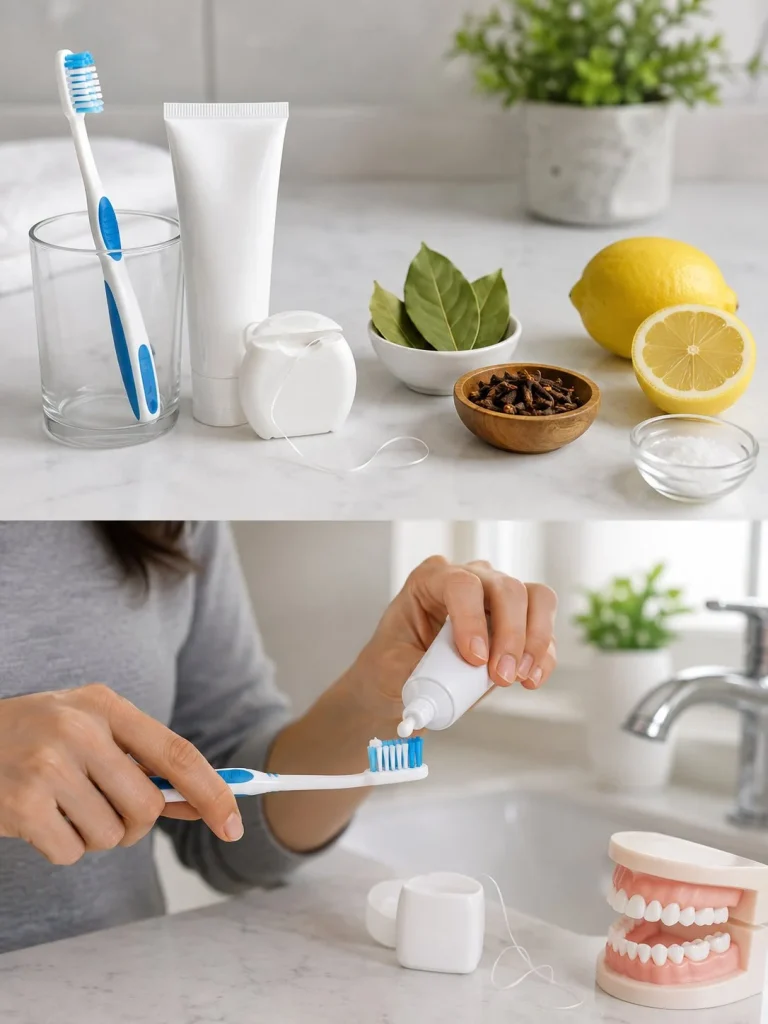
- 10-15 dried bay leaves
- 1 teaspoon (6 g) fine salt
- 1 teaspoon (7 g) honey
- 2 teaspoons (10 g) regular toothpaste (as base)
- 4 dried bay leaves (separate for mouthwash)
- 1 teaspoon (2 g) whole cloves
- Half a lemon (juice and zest)
- 150 ml (2/3 cup) hot water
- 200 ml (about 3/4 cup + 2 tablespoons) water
- 3 teaspoons (12 g) cornstarch
- 1 tablespoon (15 ml) aloe vera gel
- 1 tablespoon (21 g) honey
- 1 tablespoon (15 ml) almond oil
- 1 vitamin E capsule (about 400 IU)
Ingredient Notes
Dried bay leaves bring antimicrobial benefits and a mild natural flavor, used here in both the powder for toothpaste and infusion for mouthwash and cream. Cloves add antiseptic properties and a refreshing spiciness. Honey serves as a natural binder and humectant, making the texture pleasant and mildly antibacterial. The toothpaste base is your regular fluoride toothpaste, providing familiarity and added cleaning power. The rejuvenating cream uses cornstarch to achieve thickness, aloe vera to soothe skin, almond oil for moisturizing, and vitamin E as a nourishing antioxidant.
Kitchen Tools Needed
- Spice grinder or mortar and pestle
- Fine mesh sieve or sifter
- Glass mixing bowls
- Saucepan
- Measuring spoons and cups
- Glass storage containers or jars with lids
- Citrus juicer or reamer (optional)
Step-by-Step Instructions
Toothpaste Preparation
- Grind the 10-15 bay leaves into a fine powder using a spice grinder or mortar and pestle.
- Sift the powder through a fine mesh sieve to remove coarse bits for a smooth texture.
- In a small bowl, combine the bay leaf powder with 1 teaspoon fine salt, 1 teaspoon honey, and 2 teaspoons regular toothpaste.
- Mix thoroughly until homogenous. Transfer to a clean glass container.
- Store the mixture in the refrigerator and use within 7 days for freshness.
Mouthwash Preparation
- Place 4 bay leaves, 1 teaspoon cloves, and the juice plus zest of half a lemon into 150 ml of hot water.
- Let the mixture steep at room temperature for 1 hour to extract aromas and compounds.
- Use this mixture to brush your teeth gently for one minute, then rinse your mouth with plain water.
- Follow with rinsing your mouth using the same prepared mouthwash for one minute.
- Repeat twice daily for 7 days for best results.
Rejuvenating Cream Preparation
- Boil 200 ml water with about 10 bay leaves in a small saucepan for 10 minutes to create a strong infusion.
- Strain and allow to cool slightly.
- Whisk in 3 teaspoons cornstarch until fully dissolved and heat the mixture over low flame, stirring continuously until it thickens into a creamy consistency.
- Remove from heat. Once cooled to warm (not hot), stir in 1 tablespoon aloe vera gel, 1 tablespoon honey, 1 tablespoon almond oil, and the contents of 1 vitamin E capsule.
- Transfer to a glass jar and keep refrigerated. Apply to skin wrinkles or dry areas before bed. Use within 7 days.
Pro Tips
- Grinding bay leaves finely and sifting reduces grit, making the toothpaste smooth and easy to brush with.
- Let the mouthwash infusion cool to room temperature; hot solutions can feel harsh and damage enamel temporarily.
- Stir cornstarch slowly into the cream base to avoid lumps while heating.
- Store all preparations in glass containers to maintain purity and avoid plastic smell absorption.
- Use fresh lemon juice and avoid bottled lemon for better flavor and natural compounds.
- When applying the cream, a small pea-sized amount is usually sufficient—too much can feel greasy.
Healthier or Lighter Swaps
- Use a natural fluoride toothpaste as the base if you want to avoid strong mint flavors or chemicals.
- Substitute honey with maple syrup or agave if you need a vegan-friendly binding option; note texture may differ.
- Reduce honey in the toothpaste or cream slightly if you prefer less stickiness.
- Use cold-infused bay leaf water overnight for mouthwash to preserve delicate antioxidants.
Common Mistakes
- Not sifting bay leaf powder leads to a gritty paste that’s uncomfortable to brush with.
- Using boiling mouthwash directly on teeth can cause sensitivity; always cool it down first.
- Overheating the cornstarch cream mixture creates lumps, so keep stirring and control heat.
- Storing these natural products too long risks spoilage; stick to recommended 7-day use.
- Forgetting to patch test the cream on skin can result in irritation if sensitive.
Variations
- Add a pinch of baking soda in the toothpaste for enhanced whitening but avoid overuse to protect enamel.
- Use orange peel zest instead of lemon for a milder citrus flavor in mouthwash.
- Include a few drops of peppermint oil to the mouthwash infusion for extra freshness.
- Substitute almond oil with jojoba or coconut oil in the cream based on skin preference.
Serving Suggestions
For oral care, use the toothpaste as your primary brushing agent for natural tartar control, followed by the mouthwash to freshen breath and rinse thoroughly. The cream is perfect as a nighttime skincare ritual after cleansing your face. Pairing with a routine of gentle flossing or dental picks helps maintain overall oral hygiene balance.
Storage Instructions
Store toothpaste, mouthwash, and cream in cool, preferably refrigerated conditions inside clean glass jars with airtight lids. Use each preparation within 7 days to prevent spoilage or ingredient degradation.
Reheating Tips
The cream can be gently warmed before use if it’s too thick but avoid overheating it to preserve aloe vera’s soothing properties. The toothpaste and mouthwash do not require reheating.
Nutrition Estimate (Per Serving)
- Calories: Approximately 30–40 kcal (mostly from honey and almond oil)
- Protein: Negligible
- Carbohydrates: 7–9 g (mainly honey)
- Fat: 4–5 g (from almond oil)
Values are estimates and depend on portion size and precise ingredient amounts.
Recipe Summary
Prep Time: 15 minutes
Cook Time: 15 minutes (for cream)
Total Time: 30 minutes
Servings: Multiple (toothpaste lasts 7 days)
Cuisine: Natural home dental and skincare
Course: Oral care & skincare
Calories: ~35 per serving (dependent on portion)
Frequently Asked Questions
Is this recipe suitable for people managing blood sugar?
Because it contains honey, this recipe should be used with moderation by those who monitor their sugar intake closely.
Can I make this recipe lighter or less sticky?
Reducing the honey or substituting it with less viscous natural sweeteners can lighten the texture, but may alter binding properties.
Is this toothpaste good for kids?
It may be too intense for young children due to cloves and lemon; adult supervision is recommended.
Can I use this recipe if I have nut allergies?
Avoid almond oil in the cream if you have nut allergies and consider a nut-free oil substitute like coconut or jojoba oil.
Is this a filling recipe suitable for dinner?
This is not a food recipe but an oral care and skin rejuvenation preparation, intended to complement your self-care routine.
In exploring natural ways to care for teeth and skin, this recipe offers a thoughtful, hands-on approach that brings trusted kitchen ingredients into your daily routine. Although it requires a bit of preparation, the results feel rewarding and personal. For those interested in natural self-care recipes beyond oral hygiene, there are complementary homemade options to try, like the best homemade avocado seed shampoo for soft, shiny hair, blending kitchen wisdom with natural ingredients.